
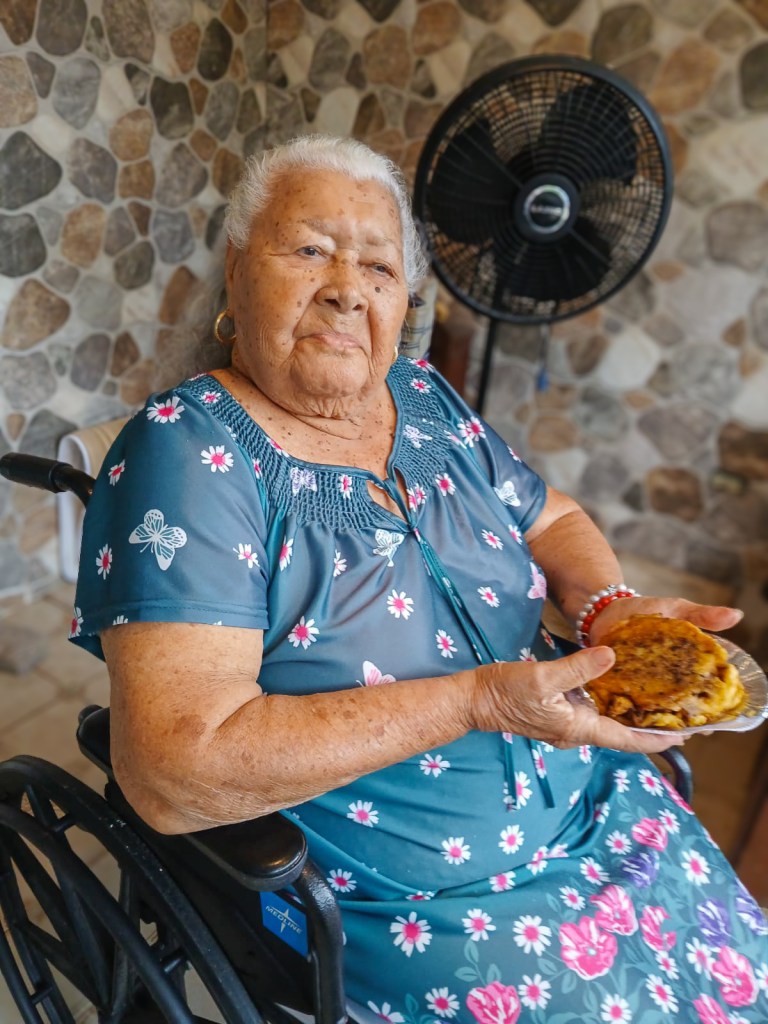
De quien aprendí la receta para hacer los piononos de carne Boricuas? The answer is simple: from my beloved 97-year-old grandmother, Rafaela Moran, affectionately known throughout our hometown as “Doña Rafita.” She is the heart and soul behind this Boricua recipe passed down through generations. After retiring in 1975 from her job as a school cafeteria cook in Puerto Rico’s public school system, Doña Rafita channeled her passion for Boricua food into a new adventure. She opened “Friquitín El Pionono #1” in Manatí, a lively town on the central north coast of Puerto Rico.
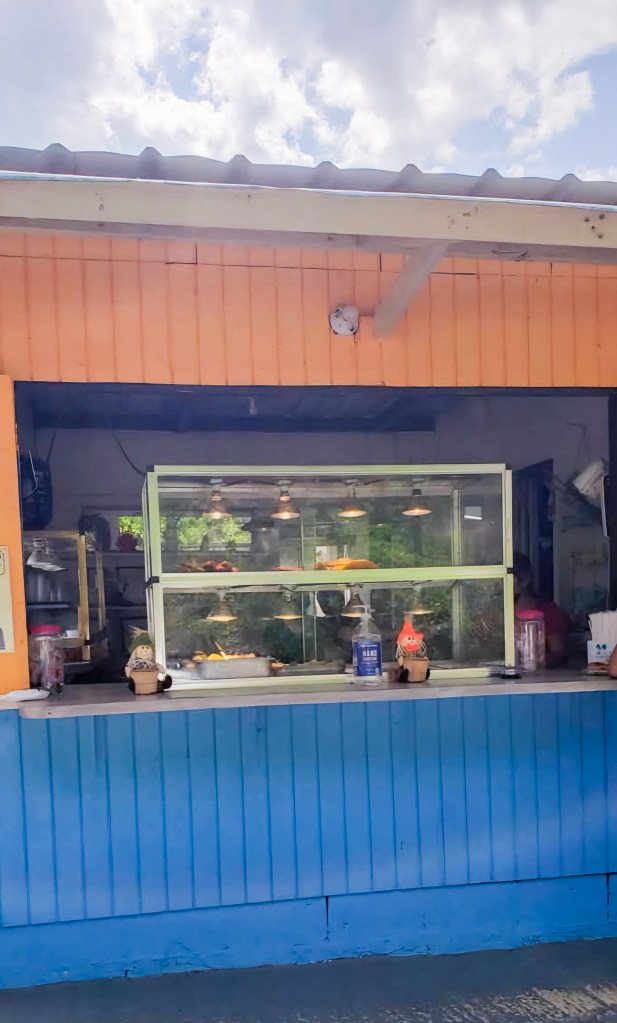
For nearly five decades, her kiosk has been a cherished destination for locals and tourists alike. Her dish, the iconic pionono, is known across the island, and many Puerto Rican celebrities have stopped by to interview her and taste her food. At the kiosk, she serves up a mouthwatering variety of piononos stuffed with carne (ground beef), lobster, and native crab meat. On occasion, she even makes a special version with “ceti,” a rare, tiny fish. But her culinary talents don’t stop there; the kiosk also offers alcapurrias, papas rellenas, and the unforgettable lobster broth. But today, this “receta” and blog star is her famous ground beef pionono, or as we say on the island, pionono de carne.
Growing up, I was my grandma’s little helper in the kitchen, acting almost like her bot (assistant), handing her the ingredients and watching closely as she prepared each dish with precision and love. Over time, I learned how to make her recipes, especially the pionono de carne, and I proudly carry that tradition today. For me, making this dish is more than just following a recipe; it’s honoring my family’s legacy, connecting with my roots, and sharing a piece of Puerto Rican food culture with the world.
The style of this dish also reflects the heart of Boricua cuisine: bold flavors, rustic charm, and a deep respect for local ingredients. Every bite of a pionono tells a story of migration, adaptation, and resilience. Whether you’re a beginner looking to learn how to make (hacer) this recipe or an experienced cook searching for authentic Boricua food ideas, this dish will surely win you.
Piononos History:
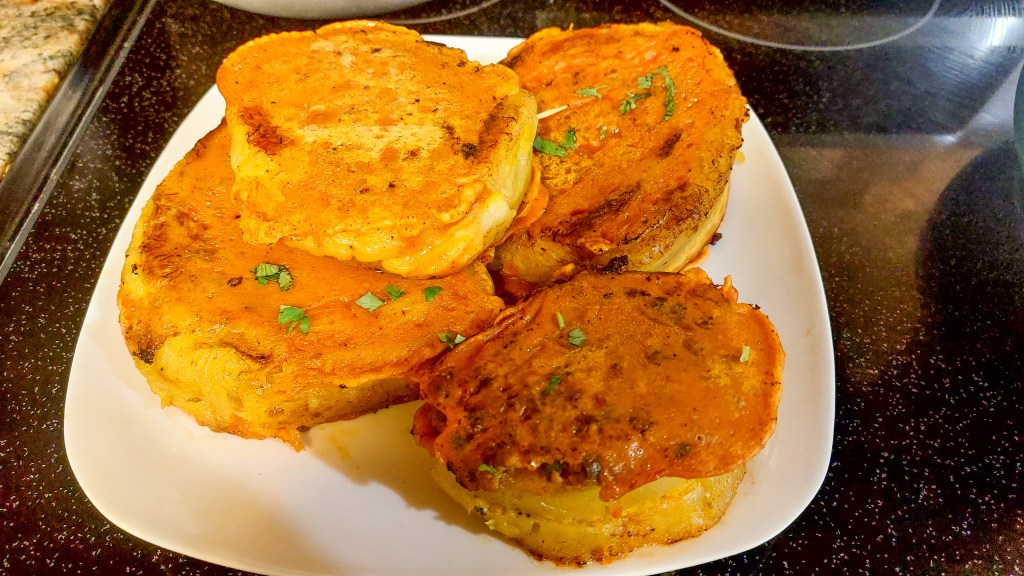
The pionono is a dish with deep roots in Spanish culinary history, but its transformation into the Boricua classic we know today is a story of cultural adaptation and creativity. Originally, piononos were small, sweet pastries from Granada, Spain, named after Pope Pius IX (known as Pio Nono in Italian). In the 19th century, a talented pastry chef crafted these delicate sponge cake rolls, soaked them in syrup, and topped them with cream to honor the Pope. The result was a moist and elegant dessert beloved in Spain.
However, when Spanish influence spread across Latin America and the Caribbean, different regions reimagined the pionono to fit their local food traditions. In Puerto Rico, the pionono evolved into a savory masterpiece, turning away from its dessert origins to become a filling and flavorful Boricua dish. The Puerto Rican pionono showcases the island’s love for plantains and savory spices.
This dish beautifully symbolizes the blend of Spanish heritage with local Puerto Rican ingredients. It’s no wonder the recipe has become a beloved part of Boricua celebrations—appearing at family gatherings, holiday feasts, parties, and even in upscale restaurants where chefs showcase their creative takes on this classic In short, the pionono de carne is more than a recipe; it symbolizes Puerto Rican pride, family history, and culinary creativity. If you’re ready to explore Boricua food and learn how to make (hacer) a dish that has delighted generations, this is the perfect place to start.
Piononos Boricua Recipe:
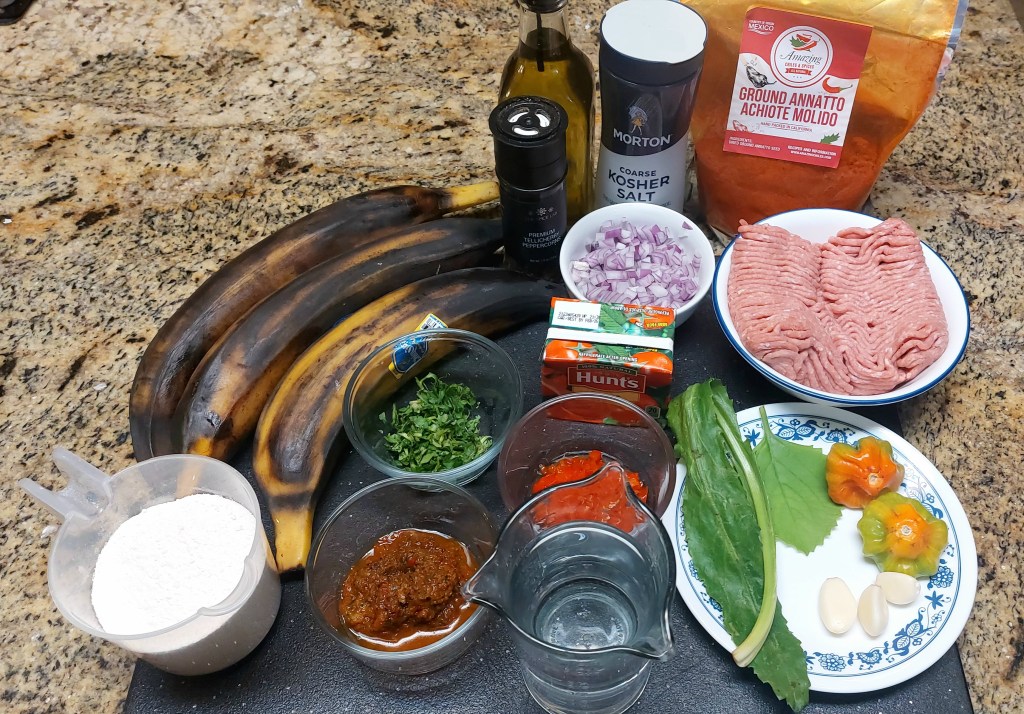
Yield 6 Piononos:
- 3 ripe plantains, peeled, cut lengthwise into 1/4″ slices
- 1 lb ground beef or (I use Chicken/Turkey ground as a healthier option)
- ½ red onion diced
- 2 tbs cilantro chopped
- 1 leaf of culantro chopped
- 1 leaf of oregano, chopped
- 3 cloves of garlic minced
- 2 ajices dulces (sweet pepper) minced
- 3 Tbs ground annato
- 2 Tbs tomato sauce
- 3 Tbs Sofrito (see the blog on how to make sofrito boricua)
- ¾ cup Olive oil
- 1 cup all-purpose flour
- 2 Tbs diced sweet smoked red pepper
- Salt to taste
- Pepper to taste
Instructions:
Preparing the ripe Plantains:
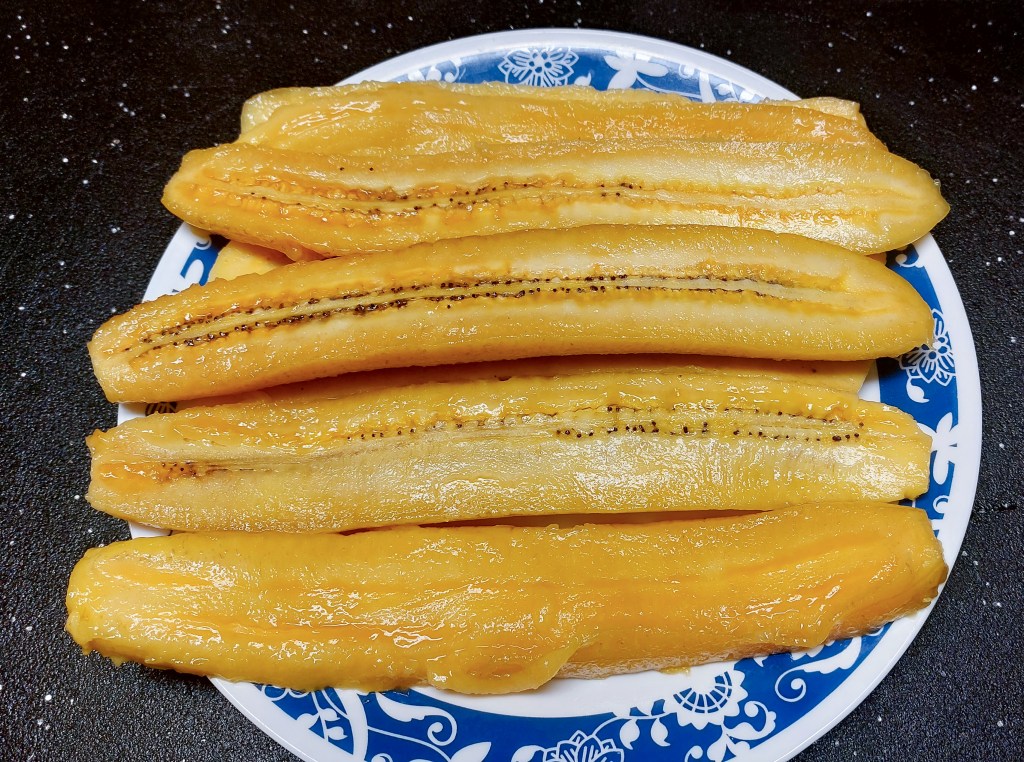
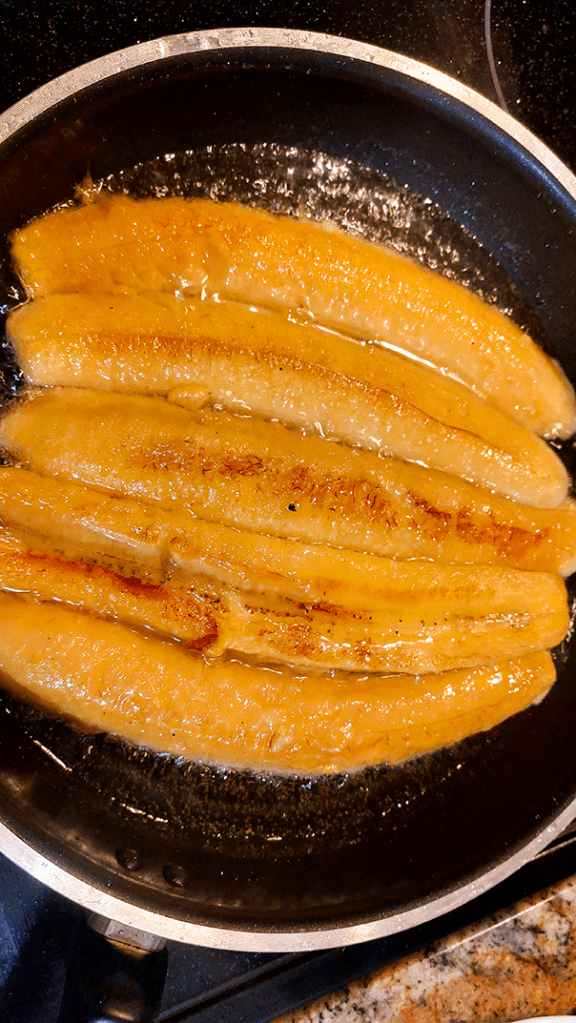
- Peeled and cut the plantain lengthwise into 1/4″ slices
- Heat half a cup of olive oil in a skillet on medium-high heat
- Fry ripe plantain until soft and yellowish
- Set fried plantains aside to cool off
Preparing the ground beef:
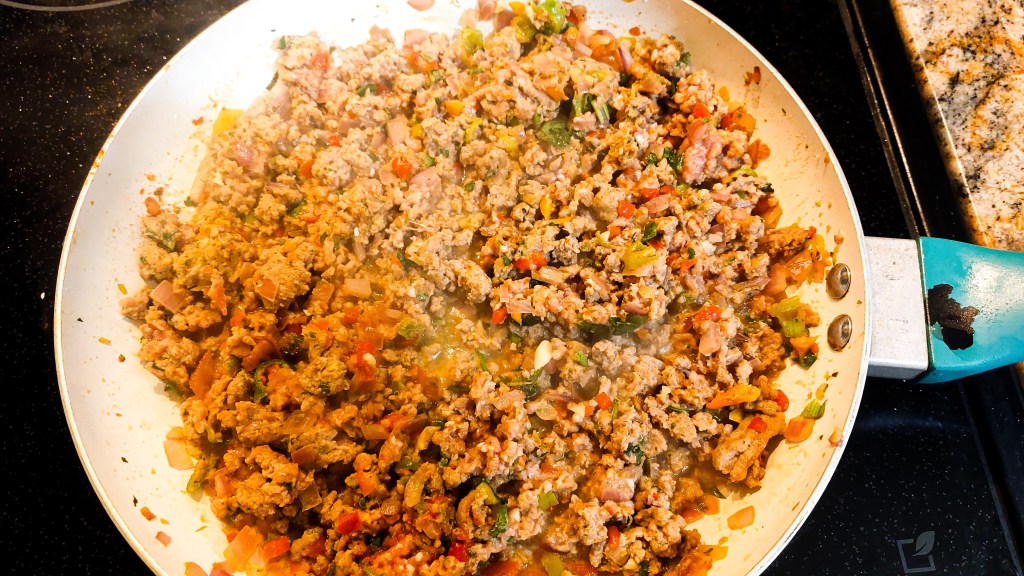
- In another frying pan, heat ¼ cup olive oil
- Add onions, garlic, and sofrito. Cook until soft
- Add turkey ground (or ground meat of preference)
- Mix and cook for 5 minutes
- Add remaining spices ( 1 ½ Tbs cilantro, culantro, oregano, 2 Tbs ground annato, 2 Tbs diced sweet smoked red pepper, two ajices dulces (sweet pepper minced), 2 Tbs tomato sauce
- Add salt and pepper to taste
- Cooked until done
Preparing the batter:
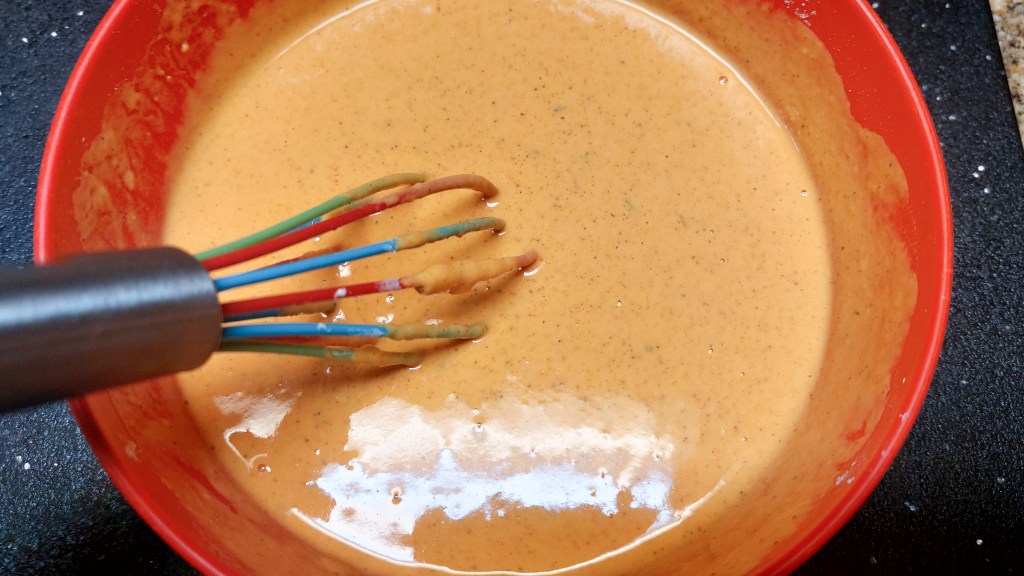
- Put one cup of all-purpose flour in a bowl.
- Add 1 Tbs ground annato
- Add salt and peeper to taste
- Add 1 ½ cups of water and whisk until medium consistency
- Optional: add 1 tsp of chopped cilantro
Preparing the Pionono:
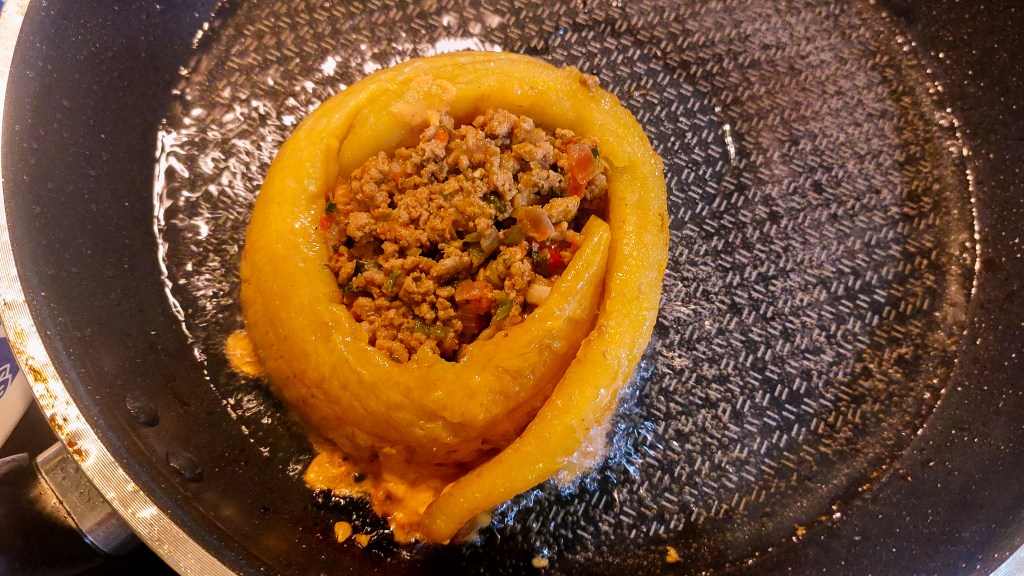
- Shape two plantain slices into a 4″ to 6” cylinder, overlapping their ends, and securing with toothpicks.
- Filled the cylinder with beef
- Cover with batter on one side and place it in the preheated oil where the plantains were previously fried.
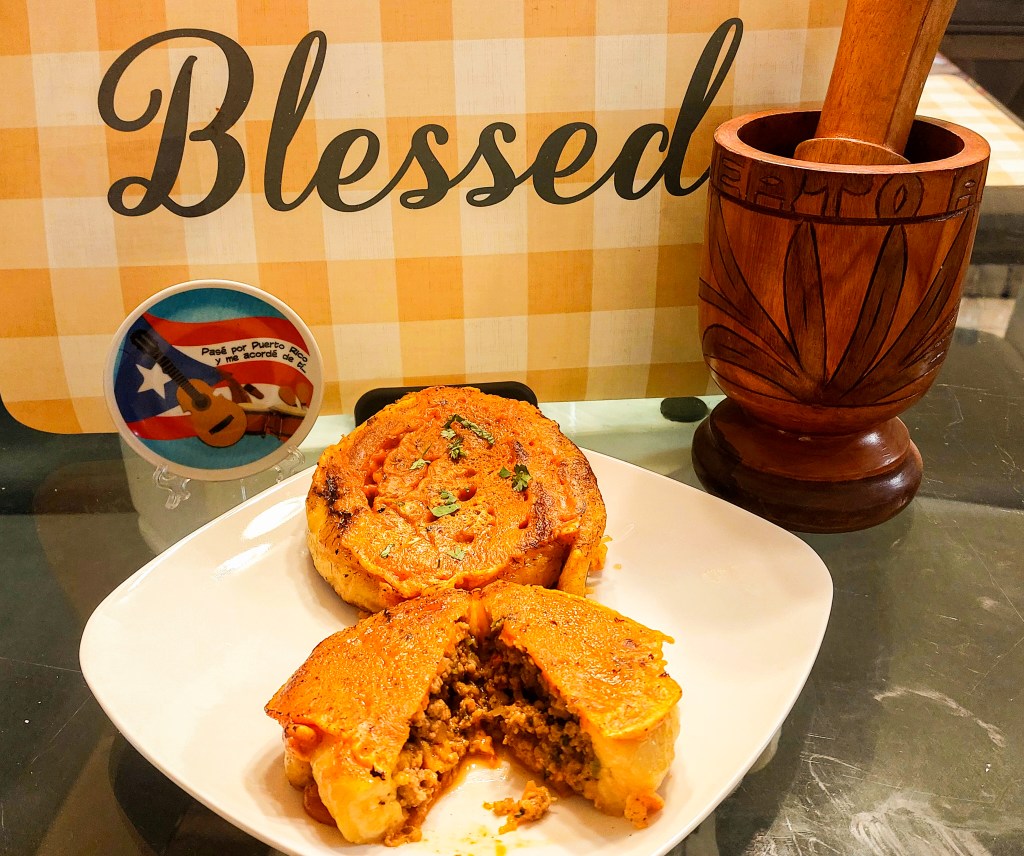
- Cover the top of the pionono with batter.
- Fried for 5 minutes on medium heat
- Turn over and fry the other side for 5 minutes.
- Set it off and serve it hot!
Tips & Tricks:
- Filled with pulled pork or chicken, tilapia in creole sauce, or any meat for an alternate flavor.
- Add cheddar or Mexican mix cheese as a filling with the beef to increase the flavor.
History References:
Ayala, C. J., & Bernabe, R. (2007). Puerto Rico in the American century: A history since 1898. University of North Carolina Press.
Buitrago de Santiago, Z. (2004). Cocina criolla. Editorial Cultural.


 Castillo Boricua Flavors
Leave a reply to Lynette Cancel reply